
Student Success · Examinations
Top 9 Brain Foods for Studying
What to eat during exams to improve concentration, memory and stamina — nine evidence-backed foods that fuel academic performance.

Examinations are the most stressful and important phase in the life of students.
It has been scientifically shown that eating the right foods not only keeps one healthy but also promotes academic performance. Research links specific foods to better brain health and stronger mental performance — useful insurance for long study sessions and the marathon of board, NEET, JEE and KCET preparation.
Here are the top nine brain foods for studying.
01Berries
Berries — blueberries, strawberries, blackberries — are rich in anthocyanins and other compounds shown to enhance mental performance and protect brain function. A handful between study blocks works well as a snack.
02Citrus fruits

Oranges, grapefruit and other citrus are packed with flavonoids and highly nutritious. They support learning and memory and help protect nerve cells from damage — a simple add to a study-day breakfast.
03Dark chocolate and cocoa
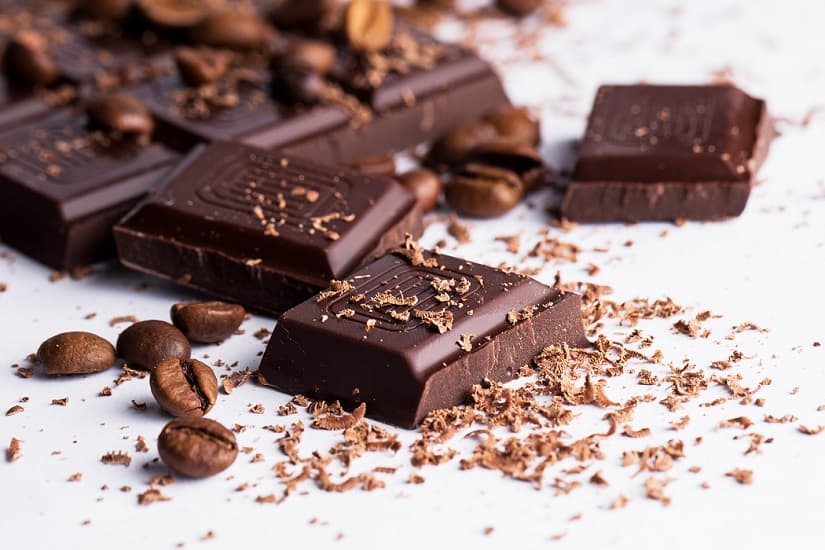
Cocoa is rich in flavonoids that increase blood flow to the brain and have been linked to better memory and reaction time. Choose dark chocolate (70%+) and treat it as a small, deliberate study reward, not a meal replacement.
“Consuming flavonoid-rich cocoa products may favourably affect brain health — increasing blood flow to the brain, improving memory and reaction time.”
04Nuts
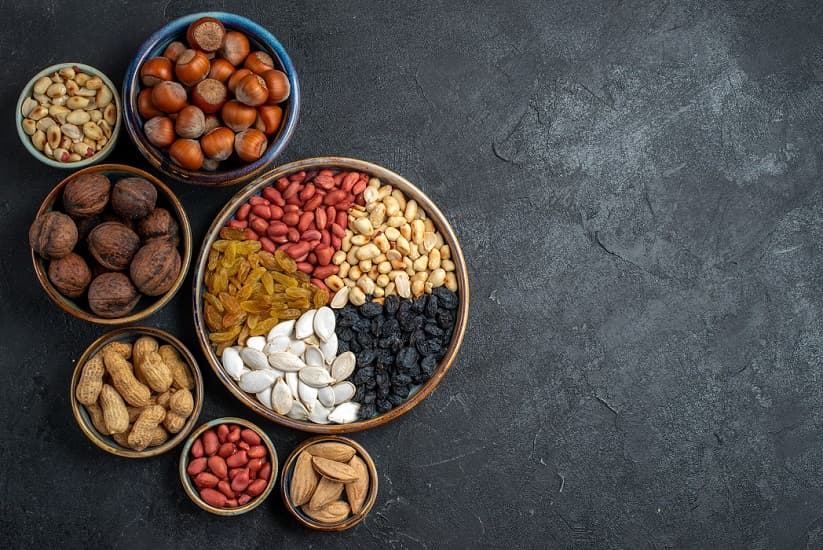
Nuts are concentrated sources of healthy fat, protein and fibre, plus vitamin E and zinc — all important for brain health. Walnuts, almonds and cashews make a clean, shelf-stable study snack that doesn’t spike sugar levels.
05Eggs
Whole eggs deliver vitamin B12, choline and selenium — nutrients with documented benefits for memory and overall brain function. A boiled-egg breakfast on exam days is a quiet classic for a reason.
06Avocados
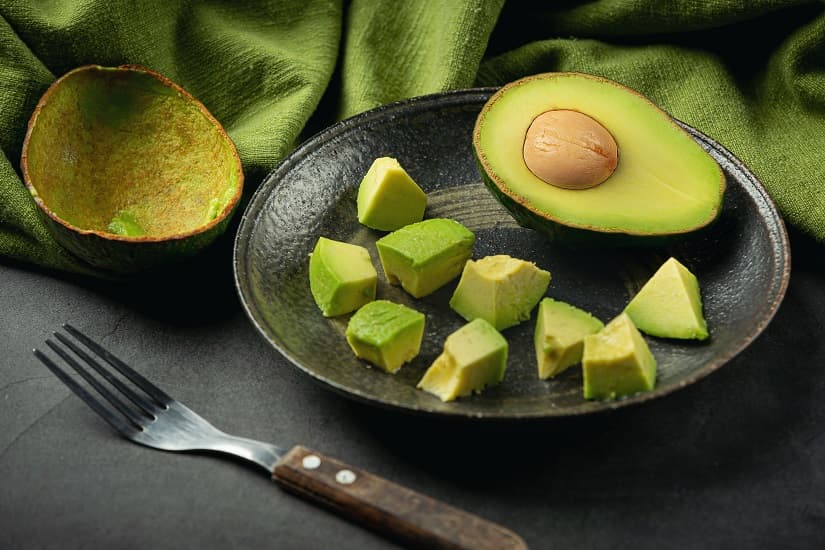
A convenient study snack rich in carotenoids and healthy monounsaturated fats. Avocados support steady mental energy without the dip that comes with refined-carb snacking.
07Fish
Fatty fish such as salmon, sardines and mackerel are among the best dietary sources of omega-3 fatty acids — particularly DHA, which is concentrated in brain tissue. A regular intake supports memory, focus and long-term cognitive health.
08Beets
Nitrate-rich beets and beet products have been linked to better brain function. Studies on beet juice consumption show measurable improvements in test and exam performance — worth a try the night before a big paper.
09Red, green and orange vegetables
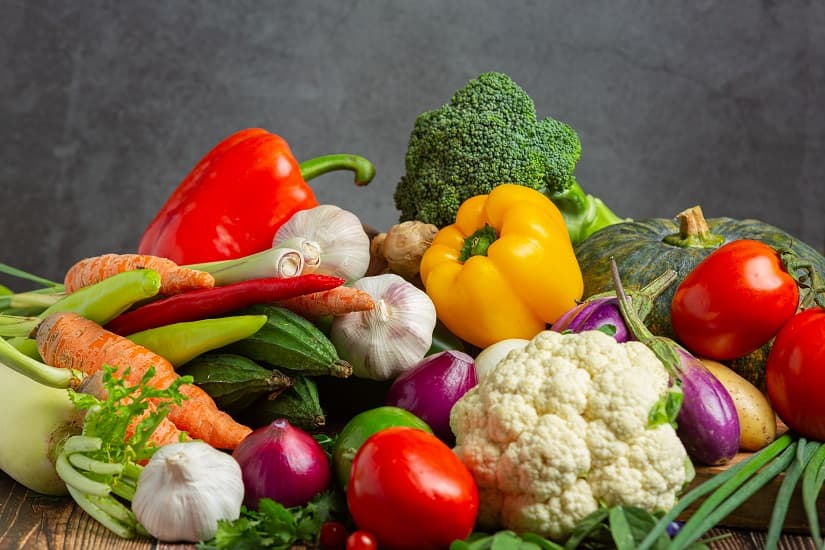
Coloured vegetables are high in carotenoids and a wide spectrum of micronutrients that support brain function and overall health. The simplest rule is also the best one: fill half the plate with them.
“Vegetable intake increases brain function and promotes overall health — they are high in carotenoids and improve one’s overall nutrient intake.”
A note on exam-day nutrition
When students are deep in preparation, nutrition often drops to the bottom of the priority list. A long examination, on the other hand, is a mental marathon — stamina matters. The right food and drink can energise the system, improve attention and keep performance steady through extended exam periods. The wrong choices, conversely, can leave a student feeling lethargic and anxious.
Keep these nine foods in regular rotation through the year and especially during exam season — small, consistent choices add up to a more focused, more resilient mind.
About this article
Published by Presidency PU College Yelahanka — a 50-year legacy institution of the Presidency Group, supporting students through I and II PUC, Integrated programmes, and entrance preparation. We share study, wellness and admissions guidance through our Student Success series.